Rowing Machine Care: Keeping a Home Rower Smooth and Quiet
A home rowing machine that squeaks, sticks, or grinds is usually one maintenance session away from running quietly again. Monthly rowing machine care takes under 20 minutes, keeps the slide smooth, and extends the machine's working life by years, whether it lives in a flat, spare room, or garage.
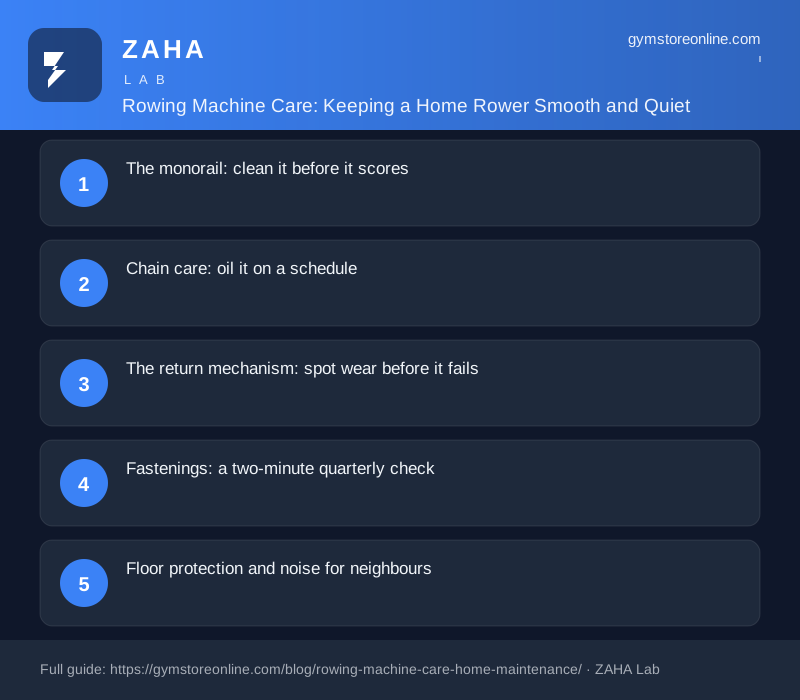
The monorail: clean it before it scores
The monorail is the aluminium track the seat rollers travel along. Sweat, hair, and household dust collect on it after every session. Left alone, that residue acts as an abrasive against the plastic or nylon rollers.
Wipe the rail with a dry microfibre cloth at least once a week. Run a fingertip along the surface afterwards: it should feel slick, not gritty. If you find shallow scoring or a rough patch, the rollers may already be worn. Replacing them before the damage spreads costs under £20 on most machines and takes about ten minutes with a basic screwdriver.
Chain care: oil it on a schedule
Air-resistance rowers and some water rowers use a chain drive. A dry chain makes a persistent ticking or clicking sound and accelerates sprocket wear.
Every 50 hours of use is a widely cited service interval. Use a light machine oil rather than WD-40: WD-40 displaces moisture but evaporates within days, leaving metal dry again. Apply three or four drops along the chain length, row gently for two minutes to distribute the oil, then wipe away any excess with a clean cloth. Machines that use a nylon strap instead of a chain need no oiling, but check the strap visually for fraying every two months. A worn strap can snap mid-session.
The return mechanism: spot wear before it fails
Most air and water rowers use a bungee cord or elastic strap to return the handle after each stroke. This component absorbs thousands of repetitions per session and degrades slowly and quietly.
Watch for a handle that returns more slowly than usual, jerks irregularly, or snaps back rather than gliding smoothly. Compare the return speed after 30 minutes of rowing to how the machine felt when you first used it. Replacement cords typically cost between £10 and £30, and fitting them is straightforward on most mainstream models. Replacing a worn cord before it fails avoids the safety risk of an uncontrolled handle snap-back.
Fastenings: a two-minute quarterly check
Rowing produces a repetitive fore-and-aft load that works bolts and screws loose over time. A wobbling footplate or a loose monorail bracket alters stroke mechanics and adds uneven stress to the frame.
Every three months, work around the machine with the correct Allen key or spanner and check every visible fastening. Tighten anything that moves, even slightly. The footplate angle bolts and the monorail mounting brackets deserve particular attention. The whole check takes about two minutes and catches problems that would otherwise build quietly for months.
Floor protection and noise for neighbours
A rowing machine slides slightly with each recovery phase and sends vibration through the floor. On a first-floor flat, that vibration reaches the ceiling below, especially on laminate or engineered wood flooring.
A purpose-made rubber mat absorbs impact, stops the machine creeping across the room, and protects the floor surface from scuff marks. A mat sized to the machine's footprint works well in tight spaces. If you row in bare feet or socks, a slightly wider mat gives you a clean surface to step onto. Dense rubber under a rower reduces transmitted noise compared to bare hard flooring, though the improvement varies with building construction.
Gear worth considering
These floor protection options suit different spaces and setups:
- A universal rowing machine mat with a ribbed surface designed to grip both the machine feet and the floor beneath.
- A treadmill and equipment floor mat in a larger format, useful if your rower shares a space with other Cardio Equipment.
- A 2-pack non-slip treadmill mat that can be arranged end-to-end under longer machines or placed to cover the full rowing stroke length.
The guide to rowing machines for home fitness covers machine types and what to look for before buying. After longer sessions, the muscle recovery guide has practical advice on rest and stretching.
Frequently asked questions
How often should I clean the monorail on my rowing machine?
A quick wipe with a dry microfibre cloth after each session, or at least once a week, keeps grit from building up on the track. A thorough check for scoring is worth doing once a month.
Can I use WD-40 to lubricate the chain on my rowing machine?
WD-40 is not a suitable lubricant for a rowing machine chain. It displaces moisture effectively but evaporates within days, leaving the metal dry and at risk of accelerated wear. A dedicated light machine oil or the lubricant recommended by your machine's manufacturer is the better choice.
What is the best way to reduce rowing machine noise in a first-floor flat?
Placing the machine on a dense rubber equipment mat is the most practical first step, as it absorbs vibration before it reaches the floor and reduces the sound transmitted to the flat below. Checking for loose fastenings and a worn return cord also helps, since both can add unnecessary noise to an otherwise quiet stroke.